Musculoskeletal pain: symptoms, diagnosis and prevention
Musculoskeletal pain affects the muscles, bones, joints, tendons or ligaments. It builds gradually and may reflect a condition such as arthritis.
The common causes of musculoskeletal pain include strains and sprains, fractures, osteoarthritis, and inflammatory arthritis. Pain can also come from apinchednerve,spinalcondition, infection, or fibromyalgia. Stress may increase muscle tension and make the pain worse.
The musculoskeletal pain symptoms may vary from sharp pain, stiffness and tenderness to swelling, reduced movement or weakness. People must:
• Seek urgent medical care for a visibly deformed or a hot swollen joint with fever, or inability to bear weight after an injury. New loss of bladder or bowel control, numbness around the groin, or rapidly worsening leg weakness with back pain also requires urgent assessment.
• Arrangeanevaluationifpainissevere,keepsreturning,lastsmore than a few weeks, limits daily activities, or comes with persistent numbness, tingling, or weakness.
To diagnose a cause, clinician would ask when the pain started, what makes it better or worse, and how it affects movement and daily life, and proceed to examination. Imaging such as X-rays can help identify fractures or joint changes, while MRI may help assess certain soft-tissue or nerve problems.
The treatment of musculoskeletal pain is tailored to the diagnosis. Physical therapy can help restore strength and motion and address activities that repeatedly trigger symptoms. Pain medicines or topical treatments may help depending on medical history and the source of pain. More serious injuries or specific joint and nerve conditions may need other treatments.
Acupuncture can be considered alongside exercise, physical therapy and other care, and may help with chronic low back, neck or knee pain from osteoarthritis. The benefit of it will vary depending on the person and condition. Cupping, moxibustion, manual therapies and herbal medicine may also be used. However, the evidence for these approaches isn’t certain.
Regular physical activity, adequate recovery, and gradual increases in exercise can lower the risk of some injuries and help preserve function. It is advised to change position during prolonged sitting, take breaks from repetitive tasks, and seek an assessment if pain persists or changes.
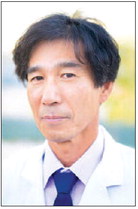
—Dr. Yeung H. Kwon, L.Ac, OMD, Optum HCC Leisure World
Dr. Yeung H. Kwon