Gardening tips and tasks for late summer and early fall
As summer winds down, gardening enthusiasts may wonder how they can manage their gardens as the peak growing season ends. However, late summer and early fall is a great time to focus on certain tasks.
Deadheading
Many plants look better when wilted flowers are removed. Some plants, such as lilies and roses, benefit from deadheading because it prevents the plant from directing energy toward seed production instead of the roots or bulbs.
Weeding
Weeds can become problematic if they’re allowed to grow unabated. Routinely go into the garden and cull the weeds.
Keep an eye open for pests
According to Garden Smart, caterpillars and
GARDENING, page 11
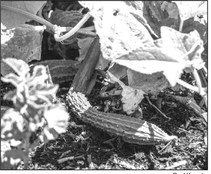
Zucchini grows incredibly fast in warm latesummersoil, often sprouting in just a few days and producing fruit in less than two months.
Paul Kryczko
beetles may be chewing on garden plants by late summer, and aphids still may be problematic. Handpick insects off of vegetables and ornamental flowers or use safe sprays for treating these issues.
Plant cool weather vegetables
Many plants will grow well when planted in late summer, according to Homesteading Family. They include zucchinis, turnips, beets, carrots, kale, chard, mustard greens and peas.
Consider succession planting
Growing vegetables like beans or peas may be more successful through succession planting. This involves sowing new seeds every seven to 10 days to extend the harvest.
Residents interested in leasing a plot at the Leisure World Community Gardens can visit www.lwsb.com/communitygardens. To begin an application, scroll to the bottom of the page and click “Submit Your Application.” The annual fee is $75.
For more information, email nikkot@lwsb.com or call 562431-6586, ext. 2314.
—MetroCreativeConnection