Huntington’s Disease: Overview
Huntington’s disease is a hereditary, progressive brain disorder causedby genetic mutation that affects movement, thinking, mood, and behavior. The disease most commonly begins in adulthood and over time can lead to severe physical, cognitive, and emotional disability.
Symptoms may include:
• Involuntary, dance-like movements called chorea
• Depression, anxiety, irritability, apathy, or impulsive behavior
• Difficulty walking or maintaining balance
• Problems with concentration, memory, planning and decision-making
• Slurred speech, difficulty swallowing, and personality or behavioral changes There is currently no cure for Huntington’s disease, but the following treatments may improve quality of life.
• Medications for involuntary movements, depression, anxiety and irritability
• Physical therapy to support balance, strength and mobility
• Occupational therapy to help with daily activities
• Speech, swallowing therapy and nutritional support In eastern medicine, Huntington’s disease is managed with supportive care rather than a cure. It includes regulating the nervous system, nourishing blood, liver and kidney, and calming the mind.
Acupuncture can be used to support relaxation, reduce muscle tension, improve sleep, and support general function. Individualized herbal treatments may support liver, kidney and blood health. Herbs and formulas should be used carefully alongside western medications and under professional supervision.
Eastern and western medicine, rehabilitation, nutrition, family education, and mental health care can work together to help maintain and improve the quality of life of people with Huntington’s disease.
—Former Professor Yeung H. Kwon, L.Ac, OMD, Ph.D Optum HCC Leisure World Seal Beach
Acupuncture can be used to support relaxation, reduce muscle tension, improve sleep, and support general function. Individualized herbal treatments may support liver, kidney and blood health.
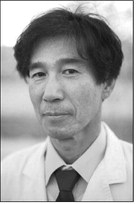
Dr. Yeung H. Kwon