Polyneuropathy overview: symptoms, diagnosis and treatment
Polyneuropathy is a condition caused by damage to the peripheral nerves that carry signals between the brain, spinal cord, and the rest of the body.
These nerves allow people to feel sensations such as touch, temperature, and pain, while also helping control movement.
Symptoms commonly develop in the hands and feet and gradually moveupward, andmay include numbness or reduced sensation, tingling, and burning, stabbing, or electric-like pain. People may also experience weakness or difficulty with balance.
Polyneuropathy can develop suddenly or progress slowly over time. Acute causes may include infections, autoimmune reactions and toxic exposure. Chronic causes are more common and include diabetes, alcohol use, nutritional deficiencies and kidney or liver disease.
Diagnosis is typically made through nerve conduction studies, which evaluate how well electrical signals travel through the nerves, and electromyography (EMG), which measures electrical activity in muscles. These tests help determine the location and severity of nerve damage.
From both western and traditional Chinese medicine (TCM) perspectives, polyneuropathy reflects a breakdown in communication and nourishment within the body. In western medicine, this involves impaired blood flow, inflammation and nerve damage. In TCM, this is understood as a disruption in the flow of qi and blood through the channels.
The most important step in treatment of polyneuropathy is addressing the underlying cause. Diabetic patients should maintain stable blood sugar levels; nutritional deficiencies should be corrected; toxic or medication-related causes should be identified and managed.
People can find relieve through acupuncture, which improves circulation, reduces inflammation, and supports nerve function.
Herbal medicine may enhance blood flow and reduce discomfort.
In some cases, antidepressants or anticonvulsants may be used for pain management. Other self-care tips include protecting hands and feet from injury, especially if sensation is reduced, maintaining good circulation through regular movement, eating a balanced diet, and keeping extremities warm.
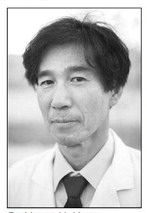
— Dr. Yeung H. Kwon, L.Ac, OMD, Ph.D, Optum HCC Leisure World
Dr. Yeung H. Kwon