Understanding the importance of reserve funds

MAINTAINING ASSETS
by Sean Erik Andersen
Association Reserves President Orange County, Inland Empire and Coachella Valley, PRA, RS
On President’s Day weekend in 2011, I got a call that would open great relationships for me both professionally and personally.
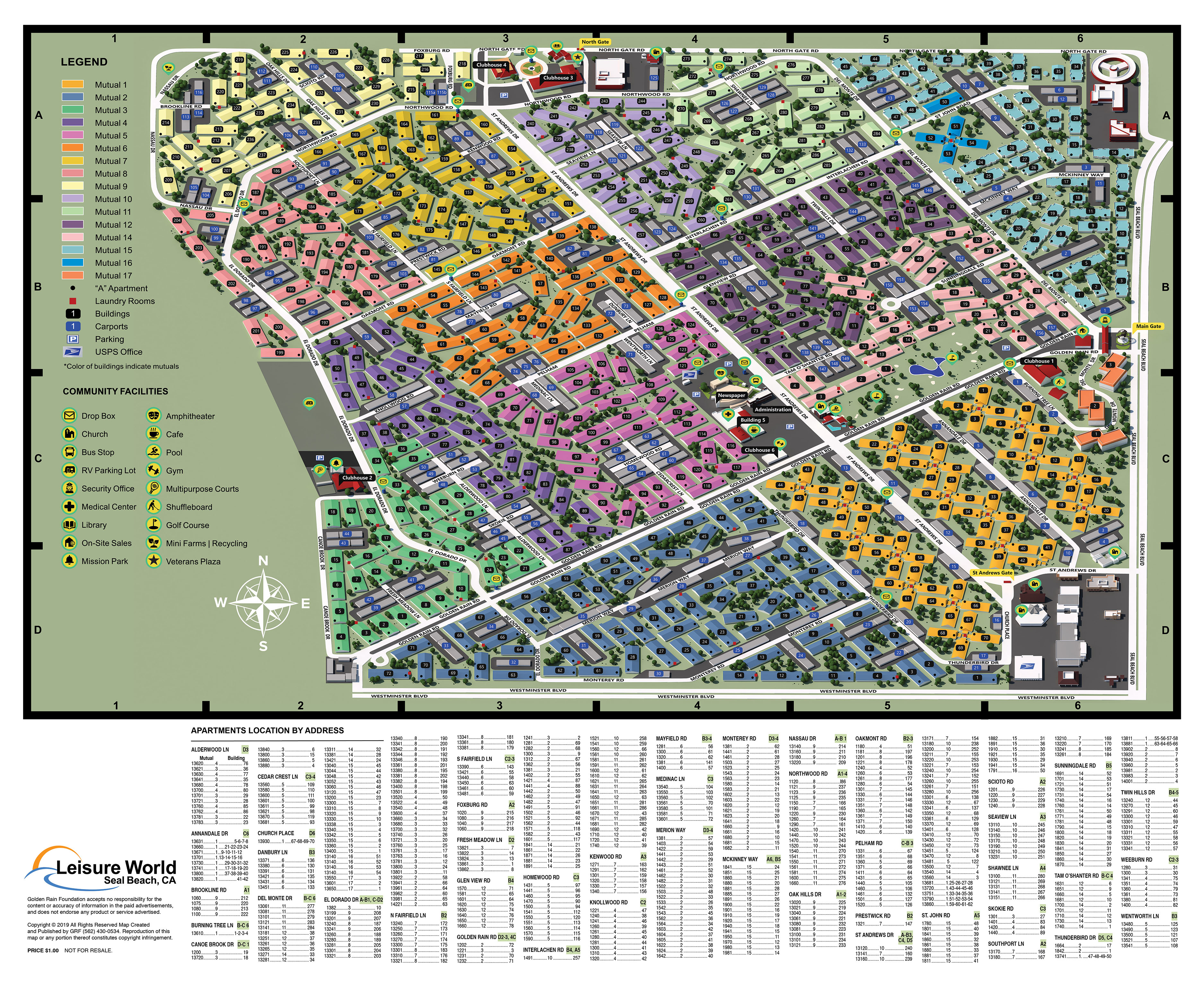
There was an extremely friendly voice on the other end of the line, “Sean, this is Phil Hood from Leisure World Mutual 5. I am the chief financial officer of our Mutual and would like to meet with you and the president of Mutual 1, David Julian, to discuss reserves and reserve studies. Do you have time to meet with us?” It was an easy “yes,” as I love talking about reserves and reserve studies. I looked forward to getting to know more about Leisure World Seal Beach.
I met them in a conference room and discussed many of the usual questions and objections they had been hearing: “What is a reserve study? What are reserves for? Why should we create a ‘savings account?’”—all very valid concerns, especially for people on fixed income and enjoying retirement. Over the next few months, I met with Mutual after Mutual explaining reserves and reserve studies and creating individual plans for each one. Fifteen years later the same questions are still relevant to new residents and board members in the community.
What are reserves? Reserve funds are money that an association sets aside for large repair and replacement projects to address ongoing, measurable deterioration of common area assets. While reserve funds are held in bank accounts, they are not discretionary savings accounts.
We do not want to be in the mindset of “savings accounts,” because we want to make sure the funds are collected and spent only to maintain the assets as necessary. A savings account should not be used for anything other than savings. A reserve fund is there to collect money as a component deteriorates so that those funds can be spent once the component has reached the end of its useful life.
We do not want to fall into deferred maintenance, the practice of postponing necessary repairs due to lack of funding, as this ultimately increases long-term costs.
Every building and infrastructure system depreciates over time. Reserve fund contributions are designed to offset that deterioration in a stable and equitable manner so that no single generation of owners unfairly bears the cost.
What is a reserve study? A reserve study is defined by the National Reserve Study Standards as: “A budget planning tool which identifies the current status of the reserve fund and provides a stable and equitable funding plan to offset the anticipated future major common area expenditures.”
A reserve study transforms physical deterioration into actionable financial data. A thorough reserve study will:
• Identify major repair and replacement components.
• Quantify their remaining useful life.
• Estimate future replacement costs.
• Measure current reserve fund strength.
• Establish a recommended funding plan.
Thorough reserve studies help establish solid plans for Mutuals and GRF in the years to come.
What components should be included in the reserve study? The study begins with identifying eligible components. These must pass a three-part test:
• The component is a common area responsibility.
• The project is a repair or replacement (not a new addition).
• The cost exceeds a minimum threshold (commonly defined as more than 0.5% to 1% of the total annual budget).
For most Mutuals that means the study will have approximately 25-35 reserve components. Based on the specific responsibilities of each Mutual, those components are generally pavement, lighting, irrigation, painting projects, plumbing and most significantly, roofing. The reserve study will then provide a plan. Both Mutuals and GRF are given recommendations for their reserve allocations that will offset the ongoing deterioration of the assets they maintain and build strength in the fund to avoid special assessments and deferred maintenance.
As the funds grow in strength, the risk of special assessments—which pay for needed reserve projects—decreases. Internal statistical analysis from Association Reserves shows that associations more than 70% funded have approximately a 1% risk of a special assessment. Associations between 30-70% funded have about a 10% risk, and those below 30% funded have approximately a 37% risk. Following the reserve study plan is a way to avoid surprises and make sure that the community continues to be a wonderful place to live.
I reflect on 15 wonderful years of working with the Mutuals and GRF, and all the incredible board members throughout the years. We have worked together through so many of the major projects that have occurred. From asphalt and concrete projects, to painting, distribution piping replacement, sewer repairs and roofing, the Mutuals have done a great job funding for and completing significant projects.
I am thrilled to have been able to be a part of all of it and see how well all the Mutuals at Leisure World are running. I am excited to see what the next 15 years will bring us.