Understanding spinal stenosis: causes, symptoms and daily care
As seasons change and temperatures drop in the early mornings and nights, people may notice increased stiffness, back discomfort, or leg fatigue. One common condition behind these symptoms is spinal stenosis, which is often age-related and can significantly affect mobility and independence if not addressed.
Spinal stenosis occurs when the space within the spinal canal becomes narrowed, placing pressure on the nerves that travel to the legs. The most common symptoms include:
• Lower back pain.
• Numbness/tingling in the legs.
• Heaviness or fatigue when walking.
• Painradiatingdownthebuttocks, thighs or calves.
• Symptoms that worsen with standing or walking and improve when bending forward or sitting.
Aside from aging, other contributing factors include:
• Herniated discs.
• Old injuries or trauma.
• Long-standingpoorposture.
• Arthritis affecting the spine.
Lifestyle adjustments are often helpful and include:
• Supportive/straight posture while sitting or standing.
• Intervalwalkingroutine(5-10 minutes of walking followed by a short rest).
• Gentle stretching.
STENOSIS, page 24
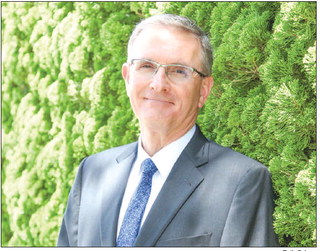
Dr. Yeung H. Kwon STENOSIS
from page 23
The following exercises can be performed at home, laying down, to reduce pressure on the spine:
• Knee-to-chest stretch: pull both knees toward the chest, hold 10 seconds, repeat 10 times.
• Pelvicbridge(hiplift):lifthips into a straight line, hold 5-10 seconds; perform five sets of 20 repetitions.
• Lowertrunkrotation:rotate bent knees gently side-toside; repeat 10-15 times.
• Prone leg lifts: lift one leg behind you while lying facedown; repeat 15 times on each side.
• Supine“walking”:lieonyour back and alternately lift each leg as though walking.
• Pelvic tilts: tilt pelvis gently by 20-30 degrees like a slow pendulum; perform five sets of 20 repetitions.
A combination of acupuncture, manual therapy, targeted herbal support, and western diagnostics often provides the best outcome in managing and preventing further progression of the spinal stenosis.
—Yeung H. Kwon, L.Ac, O.M.D, Ph.D.