Sarcopenia: Prevention and Treatment
Sarcopeniais the progressive loss of muscle strength, muscle mass, and physical function that can occur with age and can affect strength, balance, mobility, independence, and make daily activities more difficult. Sarcopenia rarely has just one cause and may occur due to:
• Insufficient protein or calorie intake.
• Physical inactivity; pain and mobility problems; extended bed rest.
• Age-related hormonal and metabolic changes.
• Chronic inflammation.
• Neurological or orthopedic conditions, including spinal stenosis.
• Poor digestion or nutrient absorption; vitamin D deficiency.
• Heart, lung, kidney and metabolic diseases.
• Diabetes, cancer, or prolonged illness.
Common signs of sarcopenia include decreased grip or leg strength, difficulty climbing stairs and lifting everyday objects, reduced endurance and frequent fatigue. Loss of strength can sometimes appear before a noticeable loss of muscle size, which is why early screening is valuable.
Sarcopenia is diagnosed by evaluating muscle mass and strength, and physical performance. The treatment includes progressive resistance exercises, adequate nutrition, and identifying medical conditions or medications that may contribute to muscle loss.
To maintain and rebuild muscle, older adults’ nutrition should include variety of protein from fish, eggs, lean meats and poultry, dairy products, soy-based foods, and beans and legumes. Leucine and vitamin D are also beneficial for muscle health.
To grow a muscle mass, people can perform sit-to-stand and body weight exercises, and utilize resistance bands, light weights and weight machines. Aerobic exercises such as walking, cycling, or swimming can also complement strength training.
For most people, there is no single treatment that solves sarcopenia. Supportive therapies such as acupuncture and eastern medicine maybe incorporated to help people stay strong, mobile and independent and help address pain, fatigue, appetite, mobility, and other factors that make healthy aging more difficult.
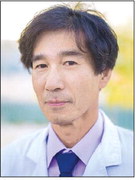
— YeungH. Kwon, former professor, LAc, OMD, Ph.D, Optum HCC Leisure World
Dr. Yeung H. Kwon