A wealth of experience is ready to help out during emergencies
AMATEUR RADIO CLUB
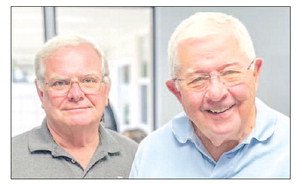
Gary Frantz has long helped out during emergencies, first as an EMT/ paramedic beginning in the 1980s and then volunteering at the Los Alamitos Police Department as a communication specialist. His friend, Gary Maiten, who was captain of the Seal Beach police at the time, knew of Frantz’ ability to repair, update and program police radios, got him interested in amateur radios.
Frantz has since gotten his technician license and general license—where he got a perfect score—and his extra class license. Frantz’s wealth of knowledge allows him to be a expert resource for the LW Amateur Radio Club and also for the emergency response teams Community Emergency Response Teams (CERT), Radio Amateur Civilian Emergency Service (RACES) and ARES. He recommends people get a technician license or join an association to understand what they do. RACES response to emergencies is for communications while CERT does the rest, including search and rescue, medical assessment and minor first aid and fire suppression, while providing accurate information to FEMA. Both RACES and CERT work as a team.
Dick Crowe became a ham radio operator in 1957 after listening to local Ham operators in the Kalamazoo, Michigan, area and became hooked on the technology, even building a Heathkit transmitter and receiver. Crowe went on to work for Mohawk Tools and then join the Air Force, followed by the machinery company Glen of California. Emergency radio is vitally important even with the other communication tool technologies available today. He became a member of the local RACES group in Seal Beach and Los Alamitos and served for over five years as the chief radio offi cer out of the Seal Beach Police Station. He is still a member of the group. Crowe is also a member of ARES, which focuses on health and welfare messages. During the 1994 Northridge earthquake there were over 3,500 messages radioed. Crowe recommends that people not be complacent about preparing for an emergency. When an emergency occurs, it is too late to try and figure out what to do.
Members of the Amateur Radio Club, along with RACES, do not receive any compensation
RADIO, page 13 for equipment or the expenses involved in being a part of these organizations.
Ham, GMRS and FRS radios play a vital role in emergency communication, and can work without relying on any existing infrastructure making them ideal in disasters like earthquakes, wildfires, flooding, etc. Beyond protecting themselves and their families, people who learn how to use radios to communicate can help others during a communication outage.
Volunteers are needed from every Mutual. Anyone interested in ham radio, GMRS and FRS is welcome to attend a club meeting and meet the club’s members.
For more information, call the Radio Room at 562-4316586, ext. 2409, or visit www. lwsb.com/amateur-radio-service- club. There is a downloadable PDF link at the end of the third paragraph.