Pedestrian Safety
by Eloy Gomez
safety/emergency coordinator
Pedestrian safety comes into play every time you step out, so knowing how to mitigate risks helps everyone. According to the National Safety Council, thousands of pedestrians are killed and many more seriously injured across the United States yearly.
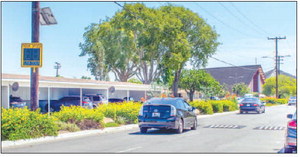
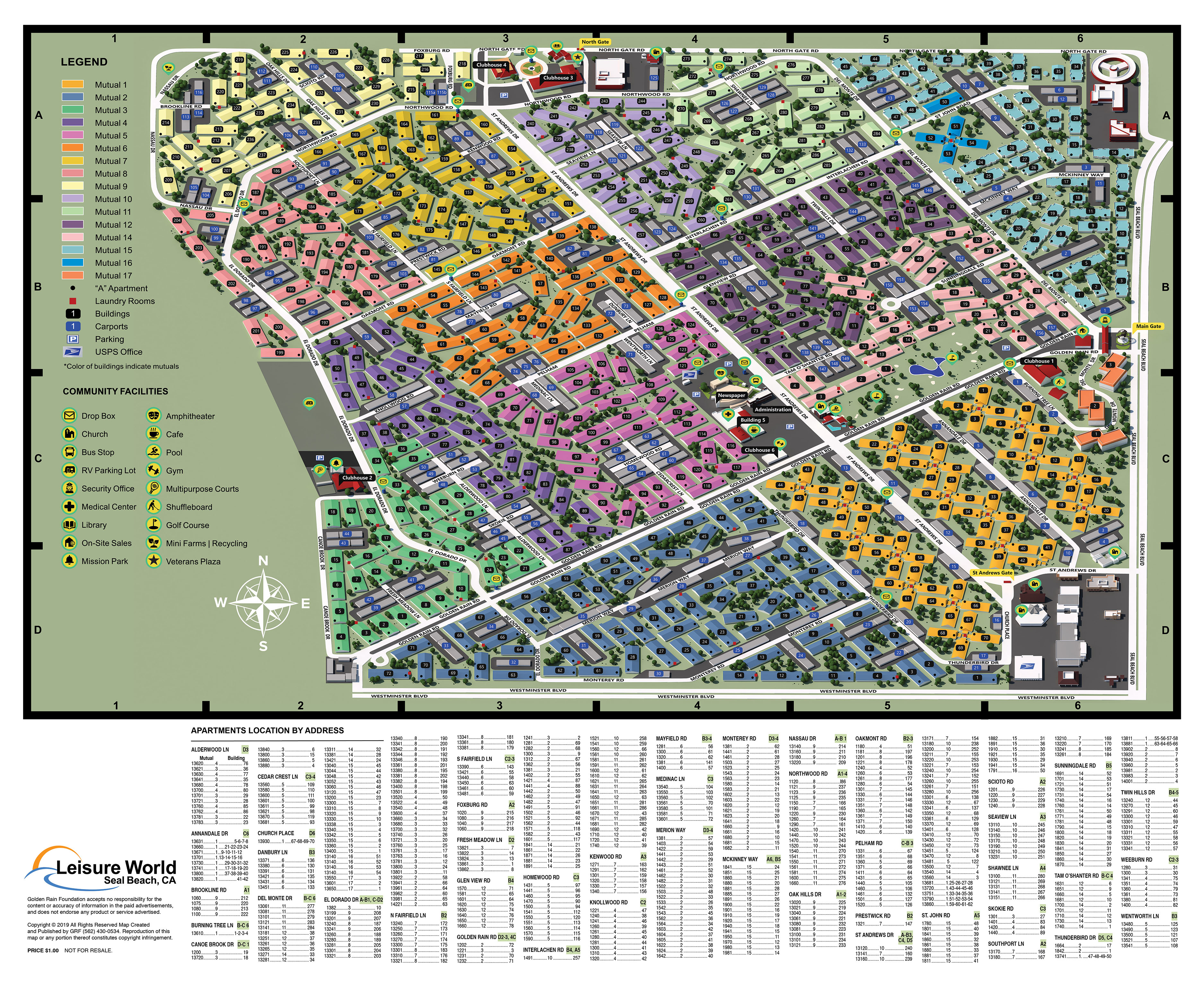
The GRF provides a host of pedestrian safety measures that are in place at the busiest LW intersections. They include an audible alert system for sight-impaired people at St. Andrews Drive and Golden Rain Road; a crosswalk with sensors that light up when people walk between the pool area and the Administration parking lot, and neon orange flags for walkers to hold aloft when crossing the street.
Whatever your destination, the follow simple steps will help you get there safely.
When you’re the pedestrian walking:
• Use sidewalks. With the ongoing pandemic, many residents are seen walking on the road to avoid close contact with other pedestrians. This is extremely dangerous as motorists may not see you on the road. Per the Centers for Disease Control (CDC), exposure to COVID from walking past another pedestrian is minimal to nonexistent. Please remain on the sidewalks, as they are the safest place to walk.
• Be visible. Wearing light colors and clothes with reflective materials make you stand out. If you walk in the early morning or evenings, you might want to carry a flashlight as well, to help see where you’re going and make yourself more visible.
• Stay alert. There are a lot of distracted drivers on the road, so always walk defensively and be ready for unexpected events. Don’t allow your vision to be blocked by clothing or hats, or yourself to get distracted using your cell phone or other electronic devices. Make eye contact with drivers to have a sense of whether they see you and never assume that they have.
• Avoid alcohol and drugs. They can greatly impair your ability to walk safely and make good decisions. This also includes some over-the-counter medications. Read labels to be aware of side effects. • Cross streets at a corner. While it may be tempting to cross mid-block, this is where most injuries occur. Using traffic signals and crosswalks is much safer, especially in high-traffic areas.
• Look both ways. Look left, then right, then left again before crossing. Keep your eyes open as you cross, and be aware that drivers might not see you even though you can see them.
• Be especially careful at intersections. This is where many drivers may fail to yield the right-of-way while turning onto another street. If there is a pedestrian signal, watch and follow the pedestrian signal in favor of the traffic signal.
• Always avoid electronic devices while walking. When walking or crossing a street, avoid cell phone use completely so you are observant of your surroundings and to reduce risks and dangers. Texting and walking is distracting and makes it difficult to watch for traffic and obstacles in your path.
• Watch out for parked vehicles. Parking lots can be dangerous, as most drivers have a limited view when backing out. Drivers are often not expecting anyone to be walking there; extra attention is always needed.
When you’re driving:
• Yield to pedestrians. When making a turn and waiting for an opening in traffic, be aware that pedestrians may have moved into your path. They always have the right-of-way.
• Be cautious around carport driveways. When entering and exiting, these can be very difficult places to spot pedestrians walking to the trash dumpsters or other vehicles backing into the driveway. Keep a close look out, and if you can’t see clearly, slow down.
• Reduce distractions. Spotting pedestrians requires your full attention. Using a cell phone, eating, drinking, talking to passengers or changing the radio station only makes your driving more distracted, difficult and dangerous. If you are using a navigation app, set your destination before you begin driving.
• Approach crosswalks carefully. If a pedestrian is crossing or about to cross, stop well back so drivers in other lanes also have time to yield. Do not pass another vehicle that has stopped for pedestrians.
• Follow the speed limit. Abiding by speed limits increases a driver’s ability to see and watch for pedestrians, to adjust for curves or objects in the roadway, and to avoid dangerous situations. Be sure to plan ahead and allow for extra time to get to your destination, take time to call ahead if you’re running late and always follow the speed limit. Remember, the speed limit in a residential area is 25 mph.
• Never drive while impaired.
When you drink and drive or take certain medication, you’re compromising cognitive ability and responsiveness, which increases your risk of hitting someone or having an accident. Remember, being aware of your surroundings is critical no matter how you get around. Motorists need to be vigilant of pedestrian, and pedestrians need to be vigilant of motorists. Although motorists have more responsibility under the law when operating a motor vehicle, pedestrians have more at stake.