Coenzyme Q10: Sources and Benefits
Coenzyme Q10 (CoQIO) plays a vital role in keeping the bodies functioning at their best.
CoQIO a fat-soluble substance produced naturally within the human body. High concentrations of it can be found in organs that require large amounts of energy such as heart, liver, kidneys and muscles. Research suggests that CoQIO may help maintain healthybloodpressure, promote vascular elasticity, and reduce oxidative stress and inflammation within blood vessels.
CoQIO has two primary functions: helping cells produce energy and protecting them from oxidative damage.
Its benefits include:
• Cellular energy production support. CoQIO helps to convert nutrients from food into usable cellular energy. Without adequate CoQIO, people may experience fatigue and reduced physical performance. Working around the clock, a heart has one of the highest concentrations of CoQIO in the body.
• Powerful antioxidant protection. Human cells naturally produce free radicals during normal metabolism. When free radicals accumulate, they can damage cells and lead to aging and chronic diseases. CoQIO helps neutralize these oxidants and help regenerate vitamins C and E, strengthening the body’s overall antioxidant defense system.
• Heartandbloodvesselhealth. Healthy cardiovascular function requires a constant supply of energy. CoQIO helps provide the energy needed for the heart muscle to contract efficiently while also supporting healthy blood vessel function.
A natural production of CoQIO levels decreases after approximately 30-40 years of age, that’s when people may notice lower energy, slower recovery, or increased fatigue. Statin medications, known as cholesterol-lowering drugs, can also reduce the body’s ability to produce CoQIO. For people taking statins, healthcare professionals recommend CoQ 10 supplementation to help replenish depleted levels and support muscle and cardiovascular health.
CoQ 10 can be a valuable addition to a healthy lifestyle, especially for older adults or those taking cholesterol-lowering medications.
Small daily habits often have the greatest impact over time, and can be a great investment in a healthier, more active future.
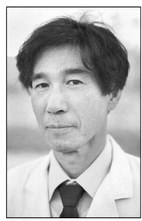
—Former Professor Yeung H. Kwon, L.Ac, OMD, Ph.D, Optum HCC Leisure World
Dr. Yeung H. Kwon