Dry April is reason to conserve water, which saves energy, too
WATER CONSERVATION
Much of the western United States has endured a record-dry April. In many areas, there was not a drop of rain, according to the National Weather Service. More than half of major climate stations in the West have set or tied records for the least amount of precipitation ever observed in April, and high temperatures have sapped the ground of what little moisture remains.
This has heightened concerns about what forecasters are predicting could be a severe fire season, as fuel moistures are what they typically are in June, according to the National Weather Service.
Los Angeles/Orange County are running an 8-inch deficit over the last year.
As dry conditions persist, the State Water Control Board has alerted 40,000 water rights holders that they need to start planning for potential water shortages. One of the biggest reservoirs in the California water project system, Lake Oroville, is only at 53 percent of average. The biggest reservoir in the state, Lake Shasta, is run by the Federal Bureau of Reclamation and is only at 66 percent of average.
With less water available through more cost-effective federal and state supplies, water customers like farms and cities may be more reliant on groundwater and water for sale on the open market, which may be more expensive if it’s available.
Water conservation efforts will likely be requested for all customers if drought persists.
Such measures can yield energy savings in addition to saving water, according to a March 4 story in the LA Times called “Want to save energy and fight climate change? Try using less water,” by Sammy Roth. An estimated onefifth of electricity use in California goes to transporting, treating and heating water. And nearly onethird of non-power-plant natural gas use is water-related, primarily water heating.
A new study from UC Davis, published in the journal Environmental Research Letters, found that paying for water conservation can actually be a more cost-effective way to slash energy consumption than paying for energy conservation. Helping the climate by saving energy is a win/win and extra incentive for people to carefully use water. In general, Americans use more than 80 gallons of water per day, but there are many ways to conserve water. In small every day ways, individuals can help by:
• Washing dishes by hand.
• Don’t leave the water running for rinsing. When washing the dishes by hand, use a minimal quantity of detergent as much as possible.
• Don’t defrost frozen foods with running water.
• Don’t run the faucet while you clean vegetables. This saves 50-150 gallons every month.
Most Californians use more water outdoors than indoors. In some areas, 50 percent or more of daily water use is for lawns and outdoor landscaping. So, paying attention to landscapes and sprinklers can save water on a larger scale. People and Mutuals can help in a variety of ways.
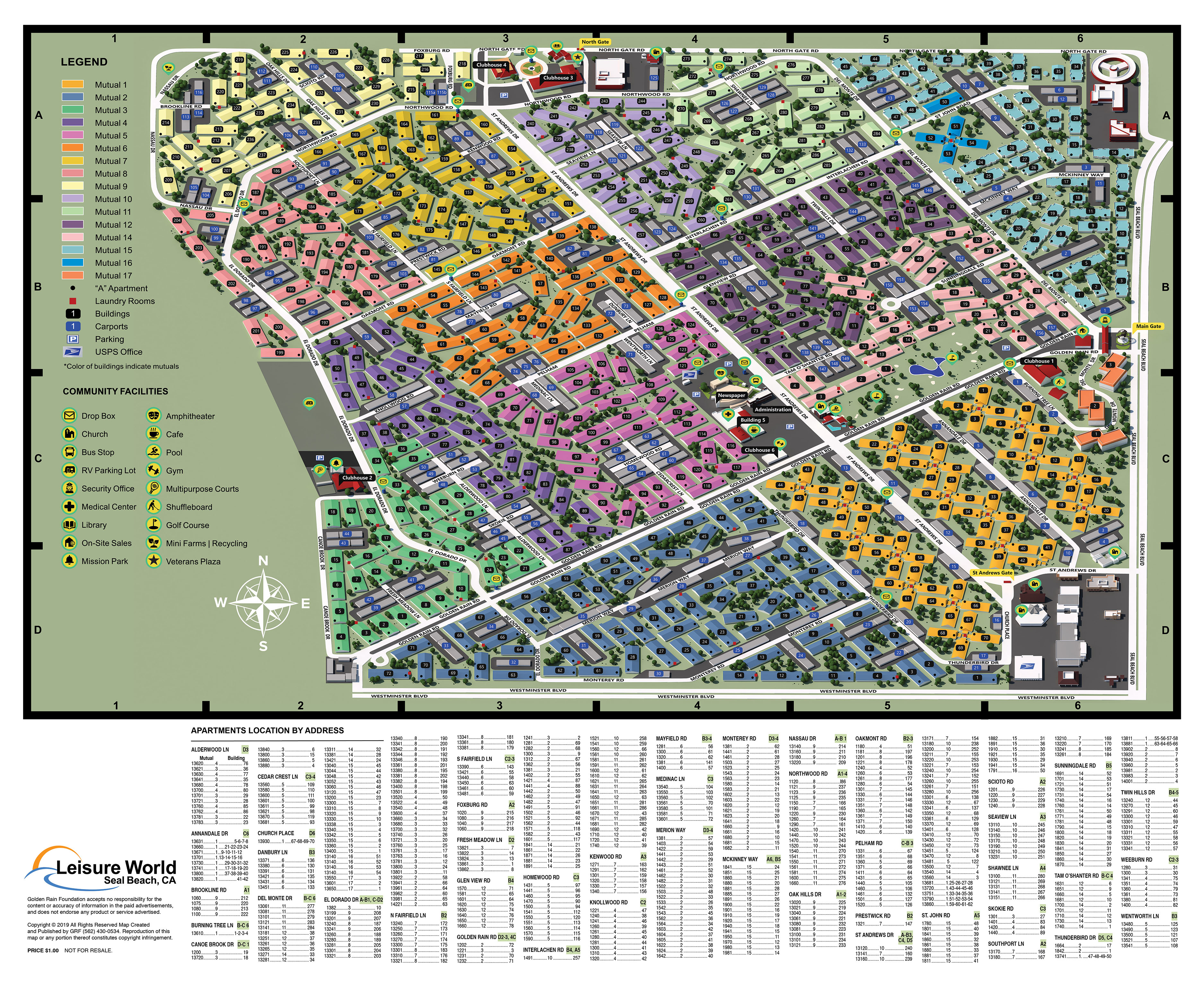
• Plant drought-resistant landscape as was just done in Mutual 2’s green belt area. The low maintenance common area features cacti, succulents and California native, drought-tolerant, flowering plants and an 8-foot, 40-yearold Sego Palm. Nearly 5,000 square feet of turf was removed, which qualified the Mutual for a water-saving rebate from the Municipal Water District of Orange County (MWDOC) for as much as $7,964. In this area alone, LW will save about 83,000-plus gallons of water every year.
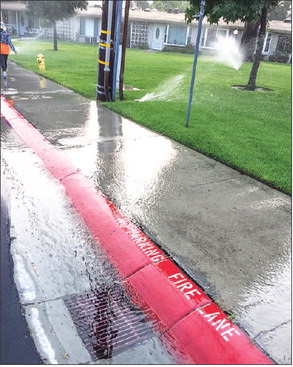
•Flooded sidewalks lead to wasteful runoff. SoCal Water$mart- recommends rotating nozzles, which use up to 20 percent less water than a standard sprinkler head by distributing water more slowly and uniformly to the landscape, while preserving plant health. In addition to reducing water use, water directed from these nozzles is less likely to mist, resists misdirection resulting from strong winds, and significantly reduces run-off onto streets and sidewalks with a more directed flow.
SoCal Water$mart resident and commercial rebates are a cost-effective, water-saving option for every landscape. Find more about rebates at socalwatersmart@ com.