Understanding stroke: prevention tips, types and recovery process
Stroke remains one of the leading causes of death and long-term disability worldwide and occurs when blood flow to part of the brain is interrupted, caused by a blockage in a blood vessel or by the rupture of a blood vessel.
Depending on which part of the brain is affected, survivors may experience weakness or paralysis on one side ofthe body, difficulty speaking, impaired vision, problems with balance, or changes in mood and personality.
The two primary types of strokes are:
• The ischemic stroke. It accounts for approximately 85% of all strokes and occurs when blood flow is blocked by a clot.
• The hemorrhagic stroke. It occurs when a weakened blood vessel ruptures, causing bleeding either within the brain tissue or into the space surrounding the brain.
Another important condition is the Transient Ischemic Attack (TIA), also known as a mini stroke. Although symptoms often disappear within minutes or hours, a TIA should never be ignored. It serves as a warning that a more serious stroke may soon occur, essentially requiring immediate medical evaluation.
Recognizing stroke symptoms quickly can save lives by using the FAST acronym: Face drooping, Arm weakness, Speech difficulty, and Time to call 911. Additional symptoms may include sudden severe headache, dizziness, confusion, difficulty walking, or vision changes. Maintaining healthy blood pressure, cholesterol, and blood sugar levels, exercising, eating a balanced diet rich in fruits and vegetables, avoiding tobacco, limiting alcohol and managing stress can significantly lower the risk of stroke.
Acupuncture and traditional eastern medicine can play a valuable role during rehabilitation when used alongside conventional medical care. Acupuncture helps improve circulation, improve mobility, support speech recovery, and lessen fatigue. Traditional herbal medicine supports healthy circulation and the body’s natural healing processes when prescribed by a qualified practitioner.
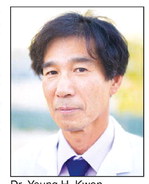
— YeungH. Kwon, former professor, L.Ac, OMD, Ph.D, Optum HCC Leisure World
Dr. Yeung H. Kwon