An integrative perspective on restoring thyroid and immune balance
Autoimmune thyroiditis, also known as Hashimoto’s disease, is the leading cause of hypothyroidism—when the immune system mistakenly attacks the thyroid gland, creating chronic inflammation that impairs hormone production. While conventional medicine focuses primarily on hormone replacement, traditional eastern medicine addresses immune imbalance.
In Hashimoto’s disease, the thyroid gland regulates metabolism, temperature, mood, heart rate and energy, leading to hypothyroidism over time. Symptoms include fatigue, weight gain, cold sensitivity, constipation, depression, menstrual changes, dry skin, hair thinning, and slowed heart rate. Women between ages 40-60 are most commonly affected by this disease.
Standard treatment of Hashimoto’s involves lifelong thyroid hormone replacement when hormone levels decline. Traditional eastern medicine views Hashimoto’s as a systemic imbalance, and focuses on restoring balance within the entire body, including:
• Immune modulation. Acupuncture can regulate cytokine activity and modulate T-lymphocyte balance.
• Anti-inflammatoryregulation. Herbal medicine demonstrates measurable anti-inflammatory effects. When properly prescribed, it may reduce chronic inflammation and slow disease progression.
• Autonomic nervous system reset. Stress is a major trigger in autoimmune activation. Acupuncture regulates the autonomic nervous system by improving fatigue, sleep quality, and mood stability.
• Microcirculation and tissue support. Acupuncture enhances regional blood flow, including to the neck and thyroid region, supporting tissue oxygenation and functional resilience.
• Synergistic integration. When combined with appropriate hormone therapy (when indicated), traditional eastern medicine can enhance overall quality of life.
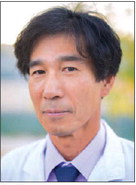
—Yeung H. Kwon, L.Ac, OMD, Ph.D Optum HCC Leisure World Seal Beach
Dr. Kwon