LWers weigh in on pedestrian gate proposals at town hall
by Emma DiMaggio
Communications Manager
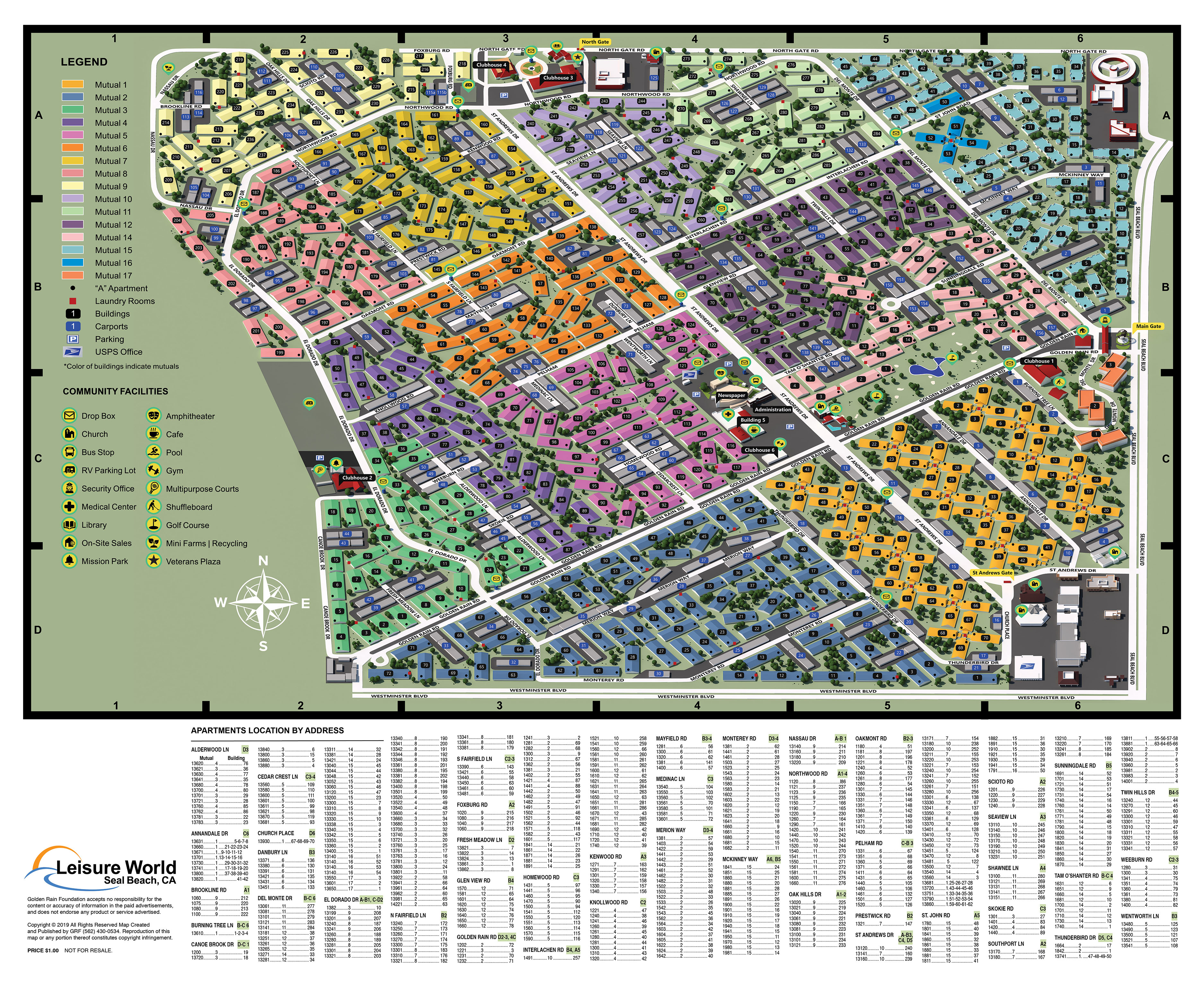
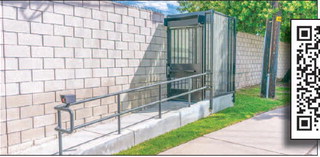
Leisure World’s six pedestrian gates were the topic of a Oct. 29 town hall meeting in Clubhouse 4. GRF Interim Executive Director Dave Potter and IT Director Marcelo Mario took to the podium to outline the flaws and failures of the current pedestrian gate system, and presented two initial proposals for its replacement. After, the pair fielded questions from the audience.
The current pedestrian gates—installed more than a decade ago by staff estimates— have become increasingly unreliable. They often fail to open, require near-daily maintenance, and rely on an obsolete keycard system for which replacement parts are no longer manufactured. The community has also nearly exhausted its supply of compatible ID cards, forcing GRF to rely on after-market alternatives.
The Operations Committee is reviewing two staff-proposed plans for a new pedestrian gate system that would resolve these issues.
Both proposals would integrate the pedestrian gates with GRF’s existing guest management software, Proptia, which is used at vehicle entrances. The new system would allow GRF to deactivate lost or stolen cards immediately, ensuring that only current residents have access through the gates.
IT Director Marcelo Mario, who helped to create the proposals, also priced out optional security features such as intercoms and security cameras for the gates.
“I wanted to be as forward thinking as possible,” Mario explained. “The technology that we’re putting in here will likely last 10, 15, 20 years.”
The GRF Board’s goal in holding a town hall was to solicit resident feedback on the project during its initial research phase, when staff can be nimble and more readily make changes or explore new opportunities.
“No one has made a firm decision on if the project is going to go forward,” Potter emphasized. “Our feelings will not be hurt professionally by that.”
Residents offered a wide range of suggestions for the project: using metal cylinder keys or fobs instead of chip-based ID cards; reducing the number of pedestrian gates to reduce project costs; exploring guest management software other than Proptia; and re-evaluating whether the project was necessary in the first place.
Here are a few questions that were addressed at the town hall:
• Why does LW need pedestrian gates in the first place?
Not all residents can drive. The community is also required to have some form of egress in case of an emergency.
• Who asked for this proposal?
Facilities projects are often brought to the GRF Board’s attention by the Reserve Study, resident suggestion or by staff. In this case, staff identified that the gates were failing. “Staff isn’t here to sit around and wait for people to ask us if something needs to be done to maintain common area property,” Potter said. “If we see a problem, we should be speaking up and we should be bringing it to the Board’s attention. That’s what we did here.”
• Why can’t GRF use metal cylinder keys instead of expensive keycards? Metal cylinder keys cannot be disabled if they are lost or stolen, leading to security vulnerabilities. The keycards proposed by the IT Department are secure, unclonable and encrypted.
• Why do these proposals budget $90,000 for staffing related to the roll-out? This cost estimate is purposefully high to ensure that the GRF is prepared for the “worst case scenario,” according to Potter, such as 10,000 people deciding to renew their ID cards at once. If demand doesn’t require this level of staffing, then temporary staffing will be reduced, resulting in cost savings.
• How would this project be paid for? The project would be paid for by a mix of capital and reserve funds. The exact mix would depend on which pedestrian gate proposal is approved, and what aspects of that project could be considered reserve components.
• How many people use the pedestrian gates, and are they used enough to justify the price of this project? Currently, GRF does not have access to any dataset that accurately tracks the use of the pedestrian gates. During resident comments, GRF Director Marla Hamblin denounced the idea of leaving the gates as they are: “I’m very keen on safety. How many of the 10,000 use the pool, use the golf course, go to the Amphitheater events? It’s the opportunity. But when it comes to safety, all 10,000 of us care about our safety. Cost is a different issue, and that has to be explored. But I want to be able to get out if I want to get out.”
To watch a video of the town hall, visit www.lwsb.com/ livestream.
The pedestrian gate proposals were discussed in detail in a recent episode of the Leisure World Direct podcast, which can be accessed online at www. lwsb.com/podcast.