Staff will present proposals to fix LW’s failing pedestrian gates on Oct. 29
TOWN HALL
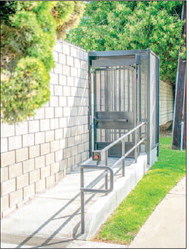
The GRF Board will hold a town hall on proposed upgrades to Leisure World’s failing pedestrian gates on Wednesday, Oct. 29, from 1-3 p.m. in Clubhouse 4.
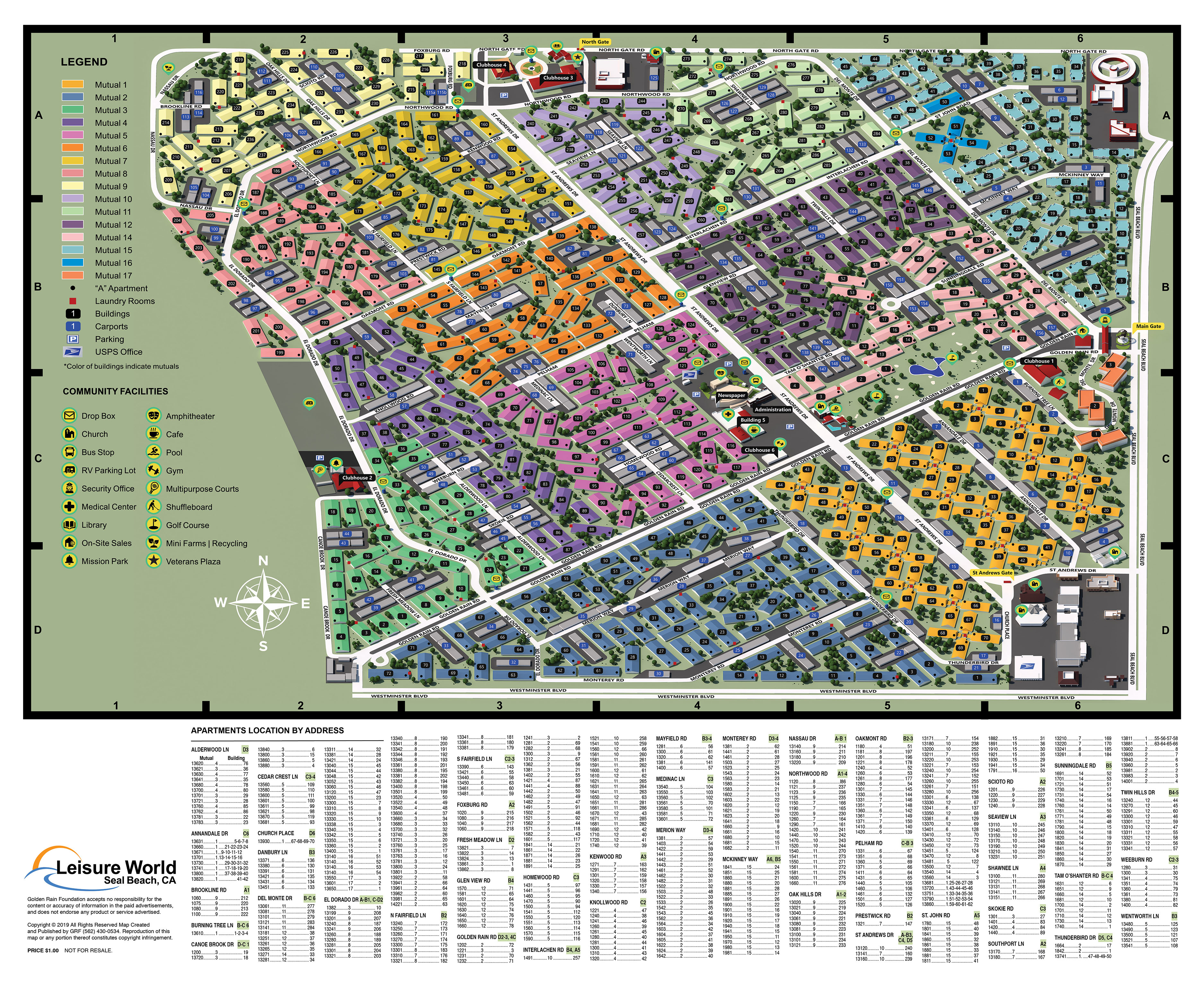
The community’s current pedestrian gate setup, which relies on outdated magnetic pattern card readers, has become increasingly unreliable and raises significant security concerns, according to a staff report. Maintenance workers are now performing daily patchwork repairs to keep the six gates in operation.
In addition, GRF is running low on the ID cards used to access the existing pedestrian gates. Because the current system is outdated, replacement cards of the same type can no longer be ordered. Before purchasing new cards, the GRF Board must first decide what type of gate system to install, since the new cards will have to work with whatever technology is chosen.
GRF staff has proposed two initial solutions, which will be presented at the town hall. Questions about the pedestrian gates will be accepted after the presentation.
The two initial proposals are as follows: Option 1: Full Scope Replacement with Security Enhancements The first and more comprehensive proposal includes modernizing gate access to integrate with Leisure World’s existing Proptia system, which manages vehicle gate access. New ID cards would contain updated, encrypted chips with unique identifiers, which can be disabled if a card is lost or stolen.
This proposal is scalable, according to a staff report. For example, in the future, residents could use their smartphones to open gates.
GRF could also choose to expand the use of these access cards to amenities like the Fitness Center and Aquatic Center. The higher cost of this project is mainly driven by the need for additional infrastructure to support the modern card reading system and accompanying security features.
Additional features include:
• Fiber optic and wireless infrastructure upgrades, expected to save $2,400 annually in internet costs.
• Intercom systems to connect pedestrians with security personnel.
• Surveillance cameras at each pedestrian gate.
This plan would cost about $513,521, including a 10% contingency. It would be funded 40% from reserve funds and 60% from capital funds.
Option 2: Minimum Scope Gate Access Replacement A less expensive alternative focuses strictly on ensuring the gates function reliably.
It removes the advanced features like mobile phone access, intercoms and cameras, but still updates the technology to a chip-based card system.
The estimated cost for this version is $304,694.50, also including a 10% contingency. This would consist of 68% from Reserve funds and 32% from Capital funds resulting in a lower overall expenditure, but, with reduced functionality.