ShakeOut serves as a reminder: if disaster hits, you’re on your own
YOU'RE ON YOUR OWN
The worldwide earthquake drill known as the Great ShakeOut is Thursday, Oct. 16, at 10:16 a.m. Every Leisure World resident is encouraged to participate by practicing the “Drop, Cover and Hold-on” exercise.
To react quickly in the event of a major earthquake, practice is key. A person may only have a few seconds to protect themselves in an earthquake before strong shaking knocks them down.
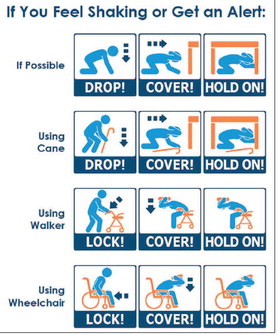
During an earthquake, anyone who is inside a building should move no more than a few steps, then:
• DROP to the ground (before the earthquake drops them),
• Take COVER by getting under a sturdy desk or table, and
• HOLD ON to it until the shaking stops.
People should stay indoors until the shaking stops and they are sure it is safe to exit. In most buildings, it’s safer to stay in place until the shaking stops.
These steps are particularly important to Leisure World residents, who are on their own in case of an emergency.
Several years ago the Golden Rain Foundation had an emergency preparedness plan for the entire community.
It was canceled on attorney recommendations that called for every shareholder to be responsible for his or her own emergency preparedness. That decision means each shareholder must plan and prepare for his or her own safety in the face of an earthquake, wildfire, flood or tsunami.
Utilities may be out, phone lines down, water systems and transportation out of commission, while emergency personnel is short-handed.
To stay safe during a major emergency, it’s important for every resident to take personal responsibility and plan ahead. Begin by assembling a basic emergency kit with enough food, water and medications to last at least seven days. Include flashlights, batteries, a batterypowered or hand-crank radio, copies of important documents, and small denominations of cash in case ATMs are down.
Safety tips for seniors:
• Keep a list of emergency contacts in your wallet and near your phone, including family members, neighbors and doctors.
• If you rely on medical devices that need power, contact your utility company in advance to learn about priority restoration programs or register for backup support.
• Store extra eyeglasses, hearing aid batteries, and any mobility aids you may need in your emergency kit.
• Identify at least two exit routes from your unit and practice using them. Make sure walkways are clear and well lit.
• Keep sturdy shoes and a flashlight next to your bed in case an earthquake strikes at night.
• Make arrangements with a friend or neighbor to check on each other during and after an emergency.
Preparation examples:
• Attend local emergency preparedness meetings or LW Community Emergency Response Team (CERT) training.
• Label all prescription medications clearly and store them in an easy-to-carry container.
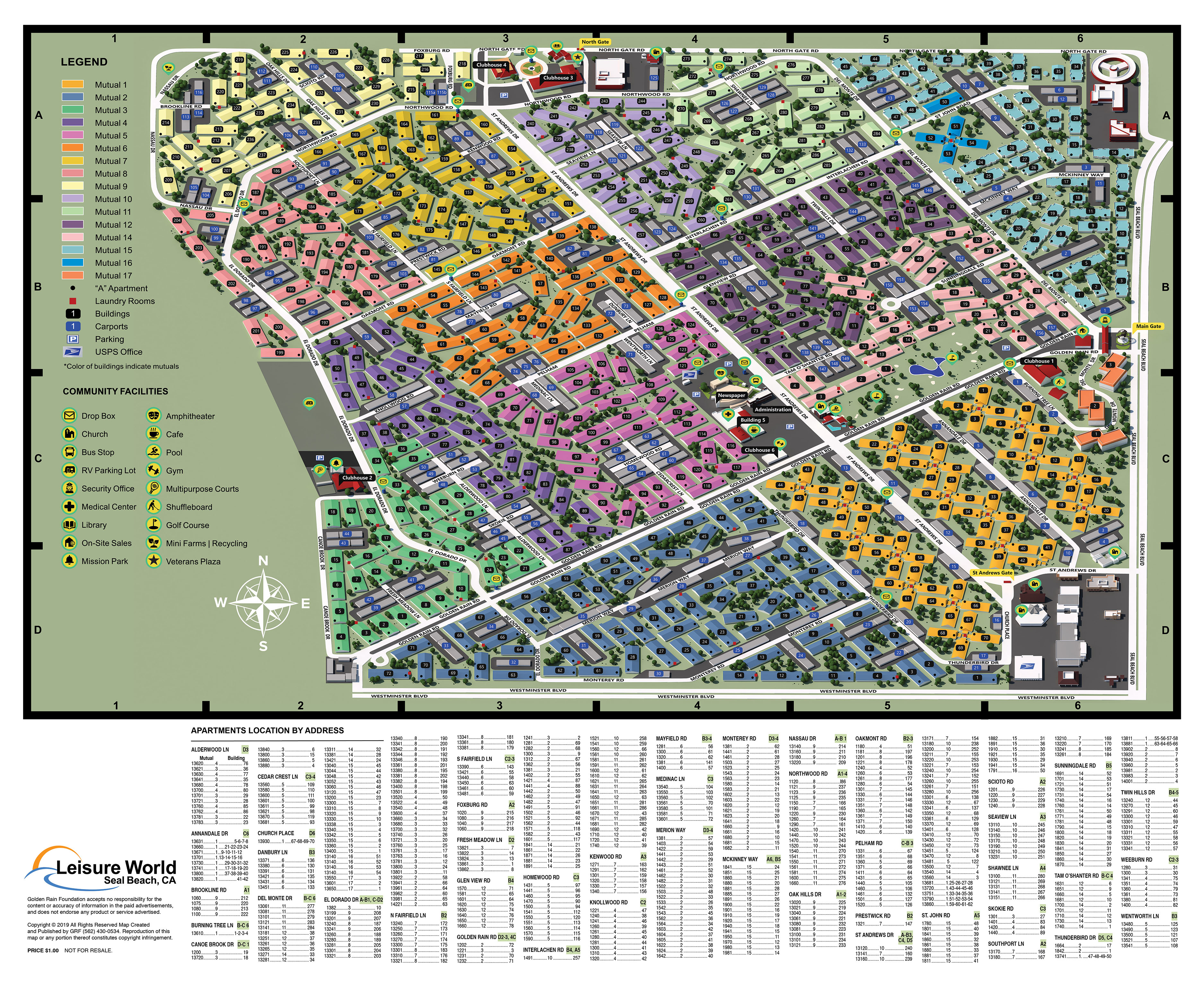
• Keep a printed map of the community and evacuation routes in case GPS or cell service is unavailable.
Taking these simple steps today can make a big difference in safety and peace of mind when an emergency occurs. Residents can learn more about emergency preparedness at the GRF Emergency Preparedness Expo on Oct. 18 (see page 1).
For more information on the ShakeOut earthquake drill, visit https://www.shakeout.org/ whyparticipate/.