Steps for receiving a Ham Radio License
AMATEUR RADIO CLUB
Just like driving a car, people need to take a test to get a Ham license, are renewable every 10 years. Before getting on the air, people need to be licensed and know the rules to operate.
In the U.S. there are three license classes issued by the Federal Communications Commission. People start as a technician, progress to general and then extra class amateur radio operator.
Each license level has more privileges, but they do come with additional knowledge requirements. There is a $35 application fee for new license candidates and an exam fee which is typically $15 or less.
Technician Class License:
The technician license exam covers basic regulations, operating practices and electronics theory. Morse code is not required for this license. Many technician licensees enjoy using small hand-held radios to stay in touch with other Ham operators in LW. People can even make international radio contacts via satellites, using relatively simple station equipment. In order to obtain this entry-class license, people need to get at least 26 questions correct on a 35-question exam. This license class allows most operations at frequencies which allows communications locally and around the country.
General Class License:
The general class license grants some operating privileges on all amateur radio bands and all operating modes. This license opens the door to world-wide communications. Earning the general class license requires passing a 35-question examination. General class licensees must also have passed the technician written examination.
Amateur Extra Class License: Extra class license holders have earned all privileges on all bands and modes which allows communications worldwide and is recognized internationally. People must pass their technician and general licenses before taking the extra exam.
Ham, General Mobile Radio Service (GMRS) and Family Radio Service (FRS) radios play a vital role in emergency communications. They work without relying on any existing infrastructure, making them ideal in disasters like earthquakes, flooding and wildfires.
Beyond protecting oneself and family, people who learn how to use radios to communicate can help others during a communication outage.
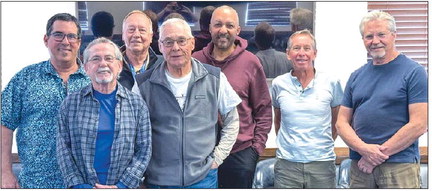
Those interested in learning more about radio communication are welcome to attend a club meeting and meet the club’s helpful, diverse and talented members. The LW Amateur Radio Club meets the first Wednesday of the month at 10 a.m. in Clubhouse 3, Room 9. For more information, call 562-431-6586, ext. 2409 or visit www.lwsb.com/amateur-radio-service-club.