What and where to recycle plastic, paint and more
GRF STAFF COLUMN
by Eloy Gomez
safety and emergency coordinator
Recycling is important in today’s world if we want to leave this planet for future generations. It is good for the environment since we are making new products from old ones, which are of no use to us anyway. Recycling begins at home and is everyone’s responsibility.
What and Where to Recycle
• Paper— Make sure to keep magazines, cardboard boxes and mail out of the trash.
• Plastic— Plastic places an added stressor on landfills as it can take anywhere from five to 600 years to break down, so make sure to recycle all plastic containers, decorations, etc.
• Glass— Jam jars, dressing containers or drink bottles can all be recycled.
• Metals— Soup and soda cans, and even aluminum foil can be recycled. All these items may be recycled in the white trash dumpsters throughout the community.
• Paint— Leftover paints may be recycled at all Dunn-Edwards Paint Shops. It recycles a maximum of 25 gallons of used paint per day, so call your local store to ensure they have space for your paint before you head out. The closest Dunn-Edwards is located in the shopping center adjacent to the Ayers hotel, (562) 314-4795.
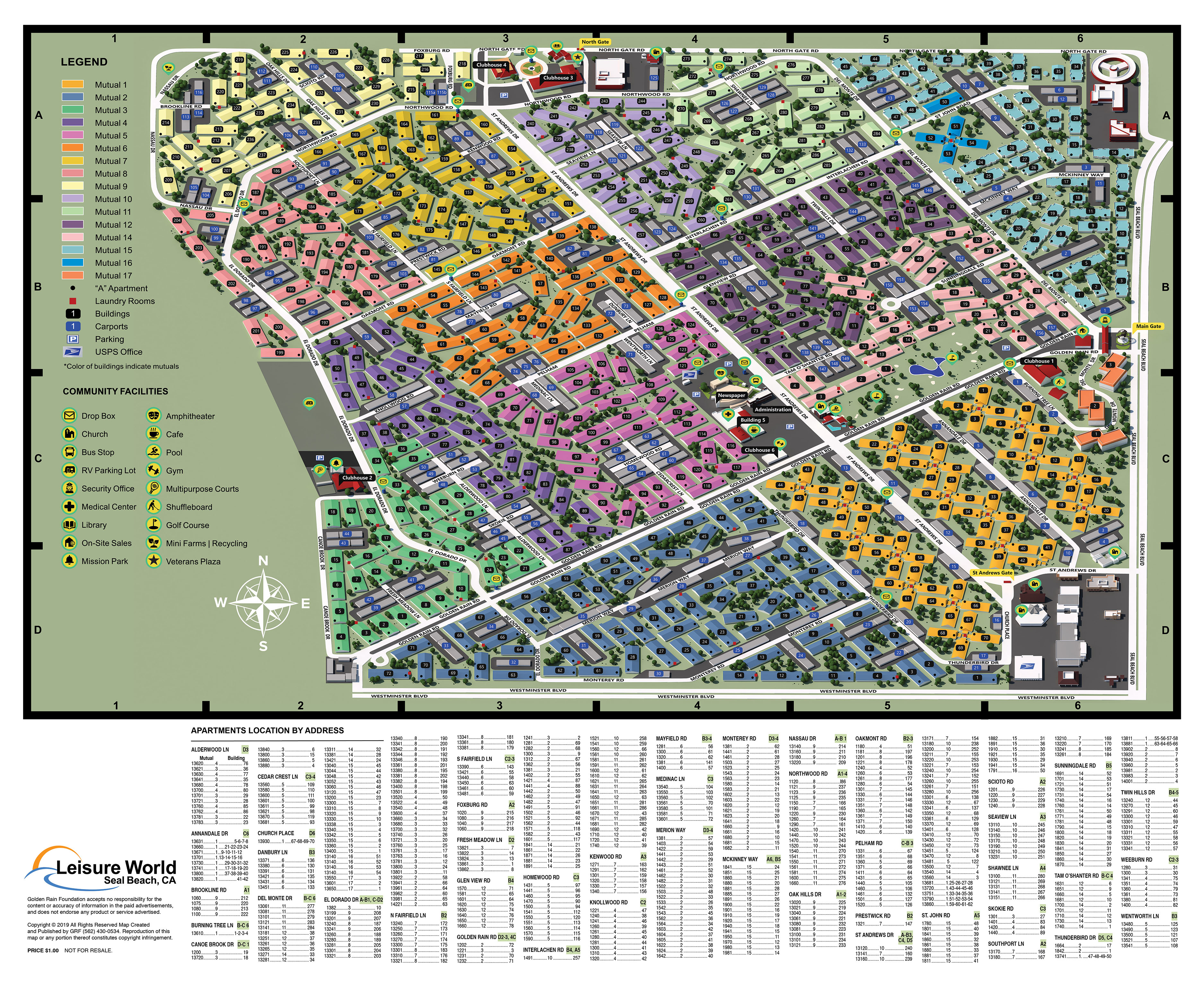
• Batteries— Car batteries are the most recycled product in America. They are not the only type of battery that can be recycled. All types of household batteries—AA, AAA, 9V, D, button batteries and scooter/ wheelchair batteries—should be recycled. There is a battery recycling container located at the west side of Building 5 along the alley. Remember to cover the 9V and shooter/wheelchair posts with tape to avoid fires and to place large heavy batteries on the floor next to the recycling receptacle.
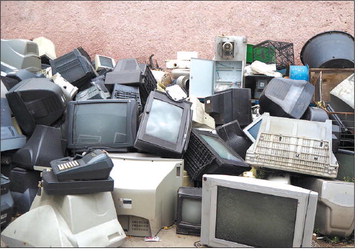
• Electronics— Electronic waste includes consumer electronics like laptops, mobile phones, TVs, microwaves, space heaters, vacuums, etc. These products can contain toxic substances, so disposing of them properly is important for the planet. LW’s e-waste container is located at the corner of Golden Rain Road and Canoe Brook Drive (in the alley behind the Service Maintenance department).
• Prescription Drugs—
Unused prescription drugs may be recycled during the Prescription Drug Take-Back program conducted by the Seal Beach Police Department (SBPD) and the Federal Drug Enforcement Agency ( see page 1 for more information). These events occur twice a year, in April and October. For more information, contact the SBPD at (562) 799-4100.
• Household Hazardous Waste— All other items like sharps (needles/lancets, etc.), fertilizers, pesticides, paints, used motor and cooking oils, and other household chemicals may be recycled for free at Rainbow Environmental Services, 17121 Nichols Lane, Huntington Beach, 92647. It is open Tuesday-Saturday from 9 a.m.-3 p.m. It also offers a free household material exchange program, (714) 834-4000.
Improperly disposing of hazardous waste pollutes our air, ground water and the ocean and is costly for the GRF, which isrequiredto properlydispose of all hazardous waste. Recycle responsibly. For more information, contact Eloy Gomez, GRF safety and emergency coordinator, at (562) 431-6586, ext. 356.