wrongdoing, Kimberly-Clark reached a proposed ….
wrongdoing, Kimberly-Clark reached a proposed settlement with the Charleston water management system, which was submitted to the federal court in South Carolina, promising to undergo two years of testing, manufacturing improvements and better labeling. The company contends that its Cottonelle wipes pass “widely accepted flushability specifications” and are tested with plumbers.
• In the Detroit area, one pumping station averaged about 4,000 pounds of wipes collected weekly after the pandemic started, four times as much as before.
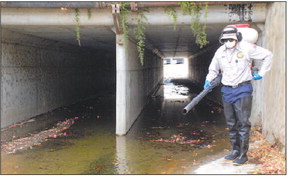
• In the Seattle area, workers remove wipes from pipes and pumps around the clock and are now finding used masks with increasing regularity.
On Oct. 6, Gov. Gavin Newsom signed into law Assembly Bill 818, making California the fourth state to require “Do Not Flush” labeling on non-flushable wipes. Similar laws have been enacted in Washington, Oregon and Illinois, with additional bills pending in Massachusetts and Minnesota.
Like the other state laws, California’s law avoids the contentious issue of setting flushability standards for wipes that are designed to be flushed, focusing instead on the important “Do Not Flush” labeling that provides consumers with a clear message that these types of wipes should not be flushed.
In addition, the federal Wastewater Infrastructure Pollution Prevention and Environmental Safety Act (WIPPES) was introduced on July 21 by Reps. Lowenthal (D-CA) and McClain (R-MI). This bill would direct the Federal Trade Commission, in consultation with U.S. EPA, to issue regulations requiring wipes manufacturers to include “Do Not Flush” labeling on non-flushable wet wipes packaging. Another federal bill setting flushability requirements for wipes labeled “flushable” is also expected to be introduced soon.
The California Association of Sanitation Agencies (CASA) and the National Stewardship Action Council worked on the wipes legislation. According to CASA, it is estimated that North American businesses and households spent about $2.5 billion on personal wipes in 2019, and that number is climbing.
The Association of the Nonwoven Fabrics Industry has reported that sales of disinfecting and flushable wipes are up about 30 percent and expected to remain strong.
There are no reliable statistics about how many wipes are flushed down toilets across the U.S., but there are hundreds of reports each year of clogged household plumbing and costly damage to public sewer systems and treatment plants caused by wipes when they are flushed.
The safest way to keep LW’s pipes clear is to flush only toilet paper.